


Too Many and Overly Complex Menu Items
Some companies want to showcase all their businesses, products, and updates on their website, resulting in a dozen or even twenty-plus menu items. The navigation bar becomes cluttered, making it hard for users to find what matters. Excessive menu items also dilute page authority, hindering search engines from understanding the site structure.
Recommendation: Keep the number of primary menu items between 5 and 8 for a corporate website. Use top-level menus to cover main business areas, and place detailed content in subpages or internal links.
Vague or Overly Creative Menu Names
Some companies prefer to rename "About Us" to "Get to Know XX" or "Discover XX," or use "Info Center" instead of "News." While these names add personality, users may not understand what they will find by clicking. Search engines also struggle to accurately interpret the menu content, affecting indexing and rankings.
Recommendation: Menu names should be clear, direct, and aligned with industry conventions. For example, "Products," "Solutions," "News," and "Contact Us" are proven, universal terms.
Organizing by Internal Structure Instead of User Needs
Many companies plan menus based on their internal departments: R&D, Production, Sales, After-Sales, etc. This approach is convenient for the company, but users visit the website to learn about products or solve problems, not to understand the organizational chart. Such menu structures often confuse users and make information feel messy.

Recommendation: Plan menus from the user's perspective. Think about what users most want to find when they arrive, such as product introductions, case studies, support, or contact details, and organize navigation around these needs.
Neglecting Content Updates and Long-Term Maintenance
Initially, menus are well-planned, but after launch, they are rarely updated. Some sections remain empty or have only one article. For instance, an "Industry News" section may have just one post months after launch, becoming a "dead section." Empty sections harm user experience and are seen as low-quality pages by search engines.
Recommendation: When planning menus, consider the feasibility of ongoing content updates. If you lack sufficient content for a period, temporarily merge it into other sections or keep it hidden until content is ready.
Deep Navigation Structure Requiring Three Clicks to Reach the Target
Some websites, aiming for thorough information, create sub-menus with three or four levels. Users may need several clicks to find a product description. This structure not only frustrates users but also makes it difficult for search engine crawlers to access deep pages.
Recommendation: Place core content within two clicks from the homepage. For complex hierarchies, use breadcrumb navigation or internal link recommendations to assist users.
Ignoring Mobile-Friendly Menu Display
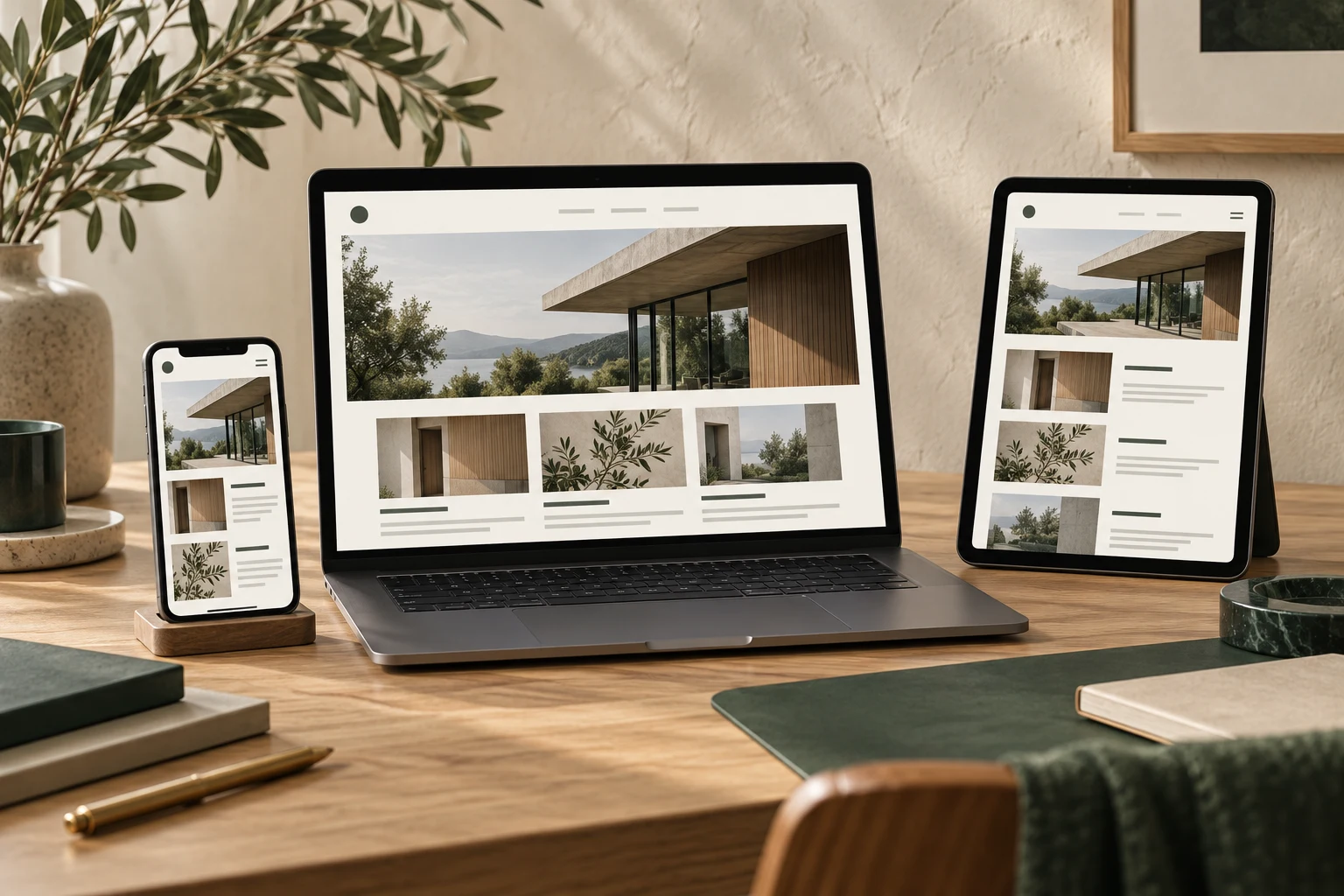
Many companies plan menus for desktop without considering how they will appear on mobile. Multiple horizontally arranged menus on PC may become a long list in a hamburger menu on mobile, or may not display fully. Mobile users have different interaction habits, and too many or cluttered menus are unfriendly on small screens.
Recommendation: Plan menus with mobile display in mind. For mobile, select the most important items for prominent placement, and use collapsible menus or bottom navigation for others.
Improper FAQ Section Setup
Some websites' FAQ sections simply list common questions with brief answers, sometimes copied from product manuals. Such FAQs offer limited help to users and are unlikely to gain search visibility.
Recommendation: FAQ content should address real user queries with clear, structured answers. Each question should be on its own page for easy search engine indexing, and include relevant links to guide users for further exploration.
The above are common navigation planning mistakes during website development. Before building, list core user needs, then adjust the navigation structure based on these common issues. After completion, validate through user experience testing. A well-planned navigation makes the website more usable and aligns with search user habits.