


When redesigning a website, many companies fall into the trap of a "self-centered" perspective: planning sections based on internal organizational structures or piling up information to highlight the brand. However, an effective redesign should start from the customer's point of view, rethinking what problems each page solves and what value it provides. This article focuses on this core principle and shares practical reorganization methods from aspects such as information architecture, content organization, and navigation design.
1. First, Understand What Problems Customers Want to Solve Through Your Pages
Before starting the redesign, it's recommended to list the main types of website visitors (e.g., potential customers, existing customers, job seekers) and then consider their most pressing concerns. For example:
- Product pages: Customers want to know if the product meets their needs, price range, technical specifications, and use cases.
- Service pages: Customers want to know the service process, delivery standards, case studies, and frequently asked questions.
- About Us: Customers want to know if the company is reliable, its qualifications, and team strength.
Use these questions as the starting point for page content planning, rather than designing the page first and then filling in content.

2. Reorganize Information Hierarchy, Prioritize Key Content
Customers have limited patience when browsing a website. During a redesign, you should "declutter" existing page content:
- Remove redundant content unrelated to customer needs.
- Consolidate similar information to reduce duplicate entry points.
- Place the core solutions, advantages, and call-to-action buttons above the fold.
For example, a service introduction page should not start with the company's development history; instead, it should first explain what pain points the service addresses, then support it with case studies or data.
3. Use Customer Language Instead of Jargon
Many websites use industry jargon or internal terms that customers may not understand or may find off-putting. During a redesign, use language familiar to customers. For instance:
- Replace "system integration solution" with "help you connect different software for seamless data flow."
- Replace "full-chain digital enablement" with "manage everything online, from customer inquiry to after-sales service."

This lowers the barrier to understanding and builds trust more easily.
4. Optimize Navigation and Page Transitions to Reduce Customer Click Costs
Page reorganization isn't just about content; it also includes navigation paths. Recommendations:
- Check if key processes (e.g., inquiry, purchase, after-sales) are reachable within three clicks.
- Add sidebar navigation or breadcrumbs to important pages for easy return.
- Naturally insert internal links to related pages within the text, but avoid overloading.
For example, at the bottom of a product detail page, recommend similar products or link directly to a "case studies" page to provide more references for customers during their decision-making.
5. Test and Iterate: Let Real Customers Validate
Redesign is not a one-time task. After page reorganization, invite a few target customers (or non-project team members) for usability testing to observe if they can quickly find the information they need. Adjust based on feedback.
Additionally, use heatmap analysis tools (e.g., Baidu Analytics click maps) to understand actual customer click behavior, identify areas with low attention, and see which content gets the most clicks, to continuously optimize page layout.
6. Common Mistakes and Precautions
- Don't sacrifice clarity for aesthetics, such as using overly small fonts or low-contrast color schemes.
- Don't flatten all content at the same level; maintain a clear hierarchy.
- Avoid closing old pages without setting up 301 redirects, which can cause traffic loss.
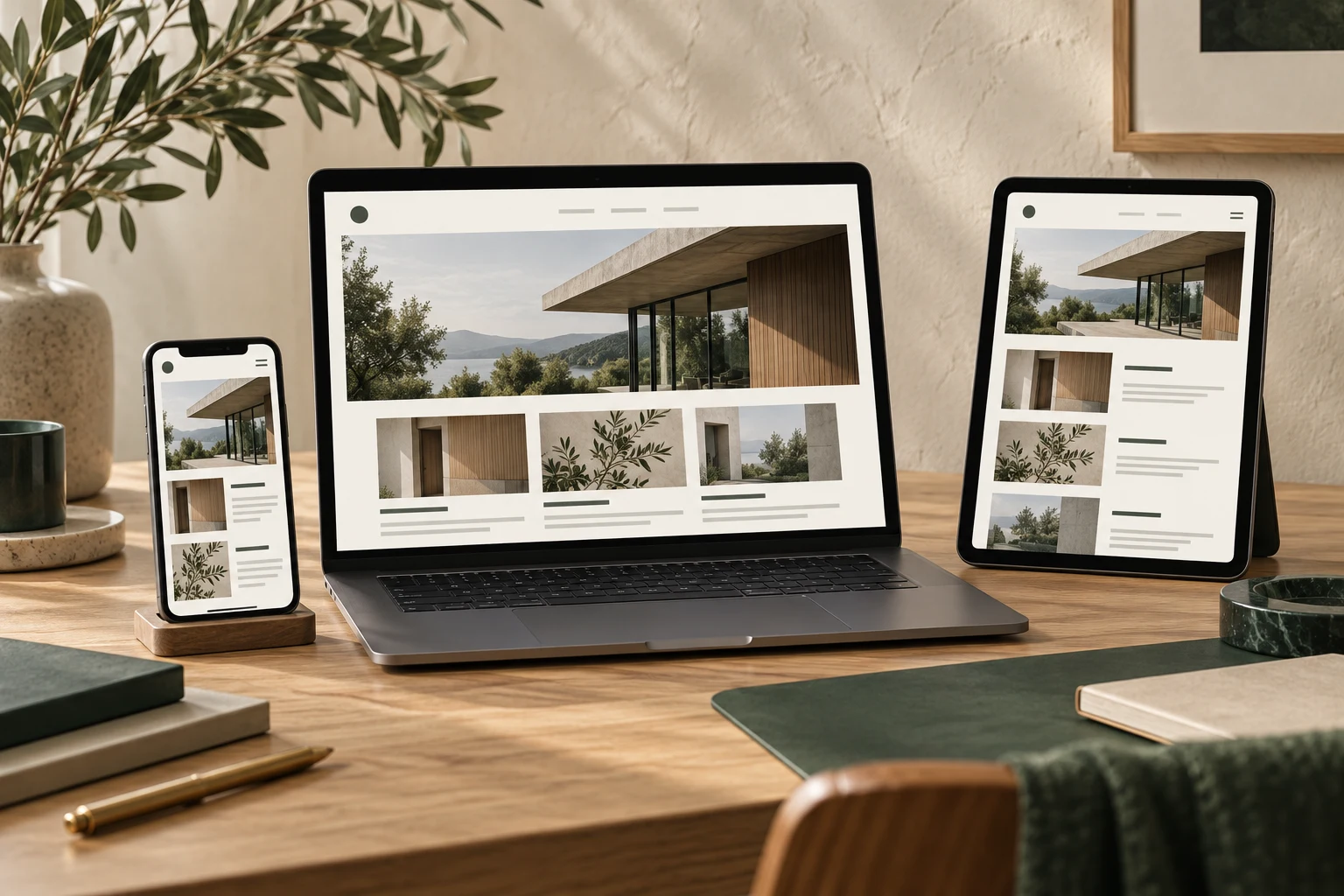
- Pay attention to mobile responsiveness, as many customers access websites via phones; pages should be equally easy to browse on mobile devices.
In summary, reorganizing website pages from a customer's perspective during a redesign is about making it easy for customers to "find, understand, and take action." This requires companies to set aside internal viewpoints and truly examine each page from the customer's standpoint. It's advisable to conduct thorough user research or data analysis before the redesign, basing adjustments on data rather than intuition.