When SMEs build a website, they often face a dilemma: the site must cater to the habits of target users while also satisfying search engine crawling rules. These two goals may seem contradictory at first, but they can actually work together seamlessly. The core idea is to start with user needs and naturally integrate basic SEO optimization into the website building process. This approach not only ensures a good user experience but also helps search engines better understand the site's content.
Understanding Your Target Users Is the Foundation of SEO
Many businesses focus on website structure and visual design first, overlooking the most critical step: identifying who the target users are, what keywords they use to search, and what content they expect to see. Without a clear user persona, SEO keyword strategies lack direction and may miss the actual search intent of users.
For example, an SME in packaging and printing may have target users such as e-commerce sellers, startup brands, or corporate procurement officers. These groups use very different search terms: e-commerce sellers might search for "small batch custom packaging," while procurement officers might look for "food packaging box suppliers." Before building the site, it's essential to research or gather customer feedback to identify core user groups and their common search terms, then plan site sections and content accordingly.
Aligning Keyword Strategy with User Needs
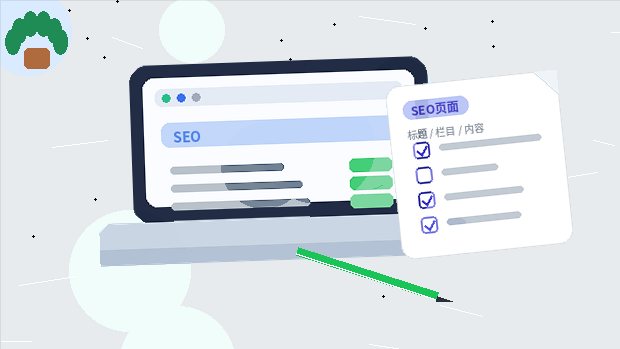
Once target users are defined, keyword selection should revolve around their actual search habits, not the business's internal jargon. For SME websites, it's recommended to plan keywords at three levels:
- Core keywords: Directly related to the main business, such as "website building" or "packaging printing." These have high competition and search volume, suitable for homepage or top-level section titles.
- Long-tail keywords: Specific need descriptions, like "Hangzhou foreign trade company website creation" or "small batch gift box printing price." These have lower search volume but higher conversion rates, ideal for service pages or article titles.
- Question-based keywords: User query searches, such as "what pages does a corporate website need" or "how to maintain a website after building." These work well for knowledge-based content to attract early-stage decision-makers.
Naturally embed these keywords into page titles, meta descriptions, body text, and image alt attributes—avoiding forced stuffing—to truly enhance search friendliness.
Site Structure: Balancing User Navigation and Search Engine Crawling
Website section design should first help users quickly find what they need, while also making it easy for search engine spiders to crawl. A practical approach is to organize top-level sections based on the user's decision-making process, such as "Services," "Case Studies," "About Us," "News," and "Contact Us," with sub-sections under each. Keep the hierarchy shallow—generally no more than three levels—to prevent both users and search engines from getting lost.
When naming sections, use familiar terms for users and avoid internal jargon. For instance, "Solutions" is more universal than "System Integration Solutions"; "FAQ" is better understood as "Common Questions." Additionally, each section page should have a unique title tag and meta description that concisely summarize the page content.

Content Updates Focused on Solving User Problems
Website content is not a one-time task. Regular updates signal to search engines that the site is active. Content updates should always address real user issues: new product launches, service cases, industry trends, how-to guides, etc., can all be topics. Every article or page should be "useful"—meaning users gain answers or insights after reading, rather than encountering empty promotional copy.
When writing, use clear paragraphs and subheadings to make content scannable. Also, strategically use internal links to connect related articles or service pages, which increases user dwell time and helps search engines build content relationships.
Technical Optimization Serves User Experience
Technical aspects of basic SEO—such as site speed, mobile responsiveness, HTTPS, and URL structure—may seem aimed at search engines, but they directly impact user experience. A slow-loading site drives users away quickly, and search engines lower its ranking. Therefore, SMEs should choose technically sound building methods from the start: streamline page code, compress images, enable caching, and ensure mobile adaptation to meet users' browsing habits on phones.
Additionally, URLs should be clean and include keywords, like "www.example.com/packaging-printing/gift-box.html," rather than "www.example.com/p=123." Breadcrumb navigation also helps both users and search engines understand the current page location, improving usability.

Balancing User and SEO Needs During Site Redesign
When redesigning an existing site, pay special attention to the navigation paths users are accustomed to and the URLs already indexed by search engines. Before redesigning, analyze backend data to identify high-traffic pages and keywords that drive visits. Try to preserve these pages' content or set up 301 redirects to new URLs. When adjusting sections, notify users in advance and maintain clear navigation to minimize user loss and ranking fluctuations caused by the redesign.
Conclusion: User-Centric SEO Is Sustainable
For SMEs building a website, combining target user analysis with basic SEO optimization—creating a site that meets both user needs and search engine rules—is the scientific, long-term approach. Investing time early on to develop user personas, plan keywords, and structure sections, followed by consistent updates of useful content and technical refinements, will gradually build real traffic and conversions for the site.