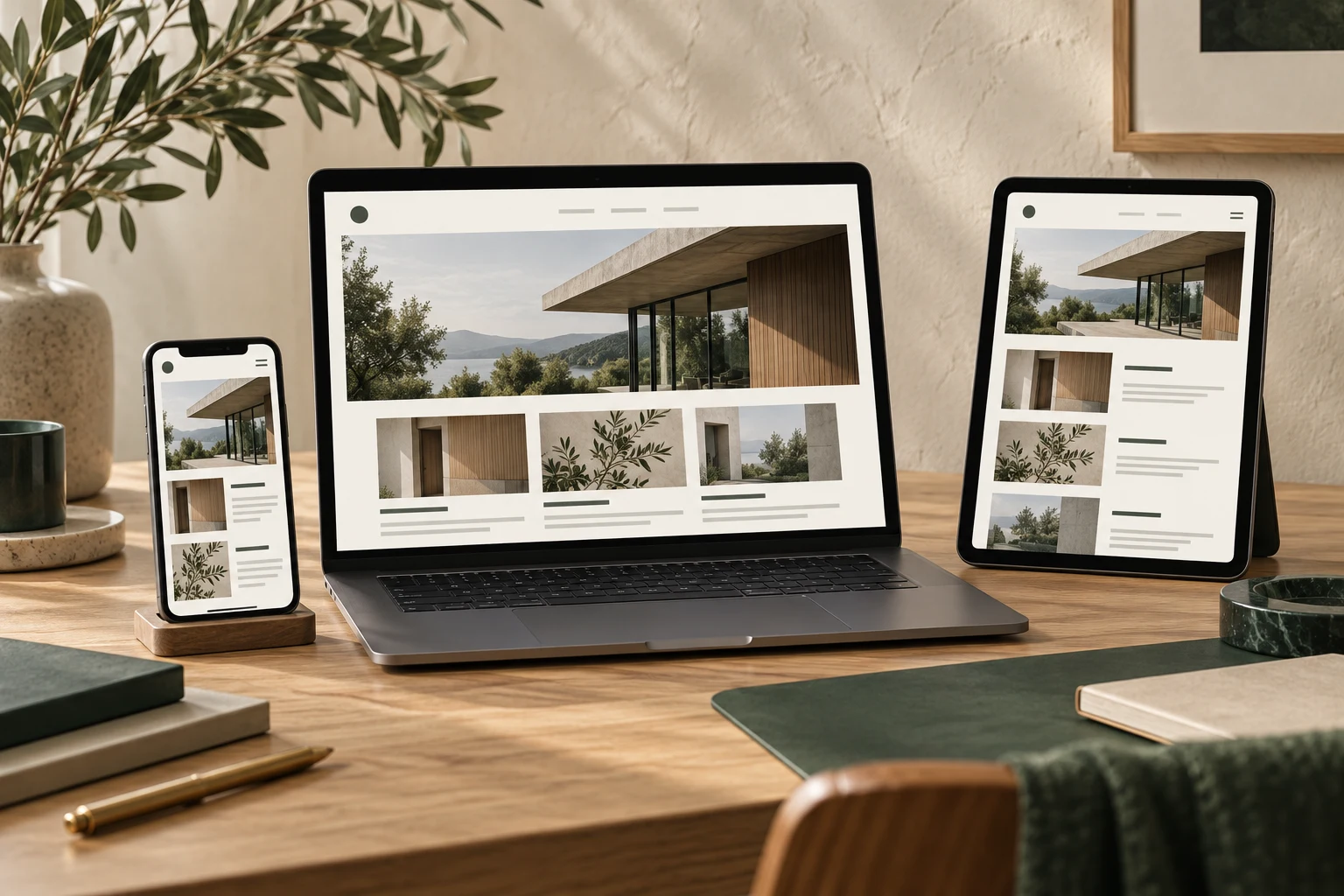



A well-organized corporate website layout determines whether users can quickly find key information, influencing dwell time, conversion intent, and search engine rankings. Many businesses struggle with "too much content in wrong places" or "cluttered pages that obscure key points." This article, based on user navigation paths and common decision-making logic, outlines the types of content suitable for each major page, helping you create a clearer plan.
Homepage: Brand Positioning and Core Gateway
The homepage is the most visited page. Its primary task is to quickly convey "who you are, what you do, and why you matter." Focus on:
- Brand tagline and core strengths: Summarize your positioning or service value in one sentence, letting users grasp your business scope within 3 seconds.
- Key data or trust signals: Such as years in business, number of clients served, or industry certifications—ensure they are verifiable.
- Navigation to key sections: Use buttons, banners, or card designs to guide users to pages like "Products & Services," "Case Studies," or "About Us."
- Latest updates or promotions: Display news, events, or product updates sparingly to avoid distracting from primary messages.
Avoid excessive text on the homepage. Use visual elements (images, icons, short videos) to keep it clean and engaging.

About Us: Building Trust and Showcasing Credibility
Users visit the "About Us" page to assess your reliability. Suitable content includes:
- Company overview and mission/vision: Be concise and professional, avoiding vague slogans.
- Milestones or timeline: Present key achievements in a timeline format for authenticity.
- Team or office environment: Photos or videos humanize your brand.
- Certifications and awards: Use clear scans or images, but avoid irrelevant listings.
Combine text with visuals, keep paragraphs short, and highlight key data with bold or separate sections.
Products/Services Page: Core Conversion Hub
This page is critical for decision-making. It should balance completeness with visual comfort. Include:
- Clear category navigation: If you have many products, use filters or categories for easy browsing.
- Detailed descriptions per product: Cover features, use cases, specifications, results, or case studies.
- Pricing or service process: If transparent, state price ranges; otherwise, encourage inquiries. For service-based businesses, outline steps.
- Customer testimonials or case links: Provide social proof of effectiveness.
Avoid large text blocks. Use charts, comparison tables, or process diagrams to enhance readability.
News/Updates: Ongoing Engagement and SEO
The news section is key for content freshness. Ideal for:

- Industry insights or trend analyses: Demonstrate expertise, but cite sources or opinions.
- Company news or events: Such as trade shows, certifications, or training—showcasing activity.
- Technical articles or guides: Address common customer questions and boost SEO coverage.
- Case stories or client collaborations: Share success stories after anonymizing sensitive details.
Maintain a regular update schedule—at least one article per week—to keep the site active.
Contact Us: Lowering Communication Barriers
This page should make it easy for users to reach you. Include:
- Phone, email, and address: Ensure accuracy; consider placing these in the footer or a floating bar on every page.
- Online chat or contact form: Keep fields minimal—typically name, phone, and inquiry.
- Map or transit info: Crucial for businesses with physical locations.
Avoid cluttering this page with unrelated ads or articles; keep it focused and efficient.
Other Common Pages
Depending on your business type, you may also need:

- Case Studies: Ideal for service or project-based companies—use images, data, and client testimonials.
- FAQ or Help Center: Collect common questions to reduce support load and target long-tail keywords.
- Careers: A dedicated page can reflect company size and growth.
General Principles for Content Layout
- Prioritize user needs: Plan each page based on user intent, not departmental wishes.
- Clear hierarchy: Ensure a logical path from homepage to category pages to detail pages, avoiding deep clicks.
- Highlight key elements: Place critical info (contact, core products, CTAs) above the fold or in natural focal points.
- Keep content fresh: Regularly review and update content, especially contact details, pricing, and news.
There is no one-size-fits-all layout, but following these principles will improve information delivery, user experience, and business opportunities. After launch, use heatmaps or user feedback to continuously optimize content placement.