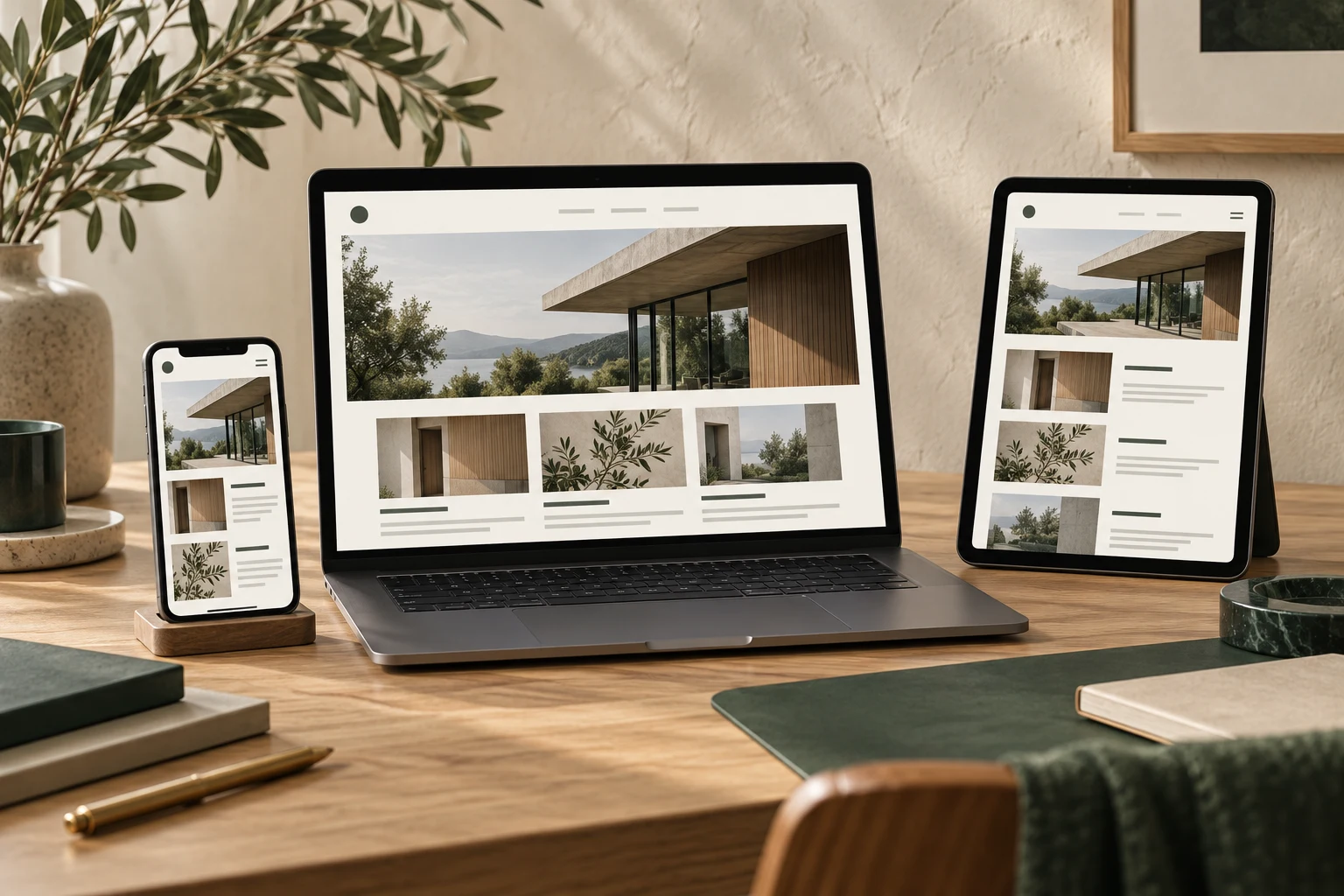



A service detail page is a page on a corporate website that provides detailed information about a specific service. Its core purpose is to help potential customers clearly understand what the service is, what problems it solves, and why they should choose you. Many corporate websites have attractive homepages, but their service pages are filled with simple text, leading to high bounce rates. In reality, the service detail page is a critical step in capturing user interest and driving consultation conversions.
Presenting Service Content and Value
When users click into a service page from the homepage or navigation bar, their immediate need is to understand what the service includes. Therefore, the detail page should clearly explain the service scope, process, deliverables, or outcomes from the user's perspective. For example, a website building company's "Custom Corporate Website" service should list the entire process from requirement communication and design approval to launch and maintenance, rather than just saying "professional website building." Through structured descriptions, users can quickly determine if the service matches their needs.

Addressing Common Customer Questions
Before deciding to inquire, users often have concerns: pricing, timeline, suitability for their industry, after-sales support, etc. The service detail page can address these common questions using natural paragraphs, icons, or short lists. For instance, include estimated time for each step in the "Service Process" section, or add a "Frequently Asked Questions" area at the bottom of the page. This reduces user hesitation and lowers the workload for customer service in answering repetitive questions. However, avoid promising specific results or guaranteeing rankings; instead, objectively describe typical scenarios.
Building Professional Image and Trust
Detailed service descriptions themselves reflect professionalism. If the page content is vague, users may doubt the company's execution capability. Conversely, clear logic, real case data (avoiding fabrication), and credentials (if available) can enhance trust. But ensure compliance by not fabricating data or client stories. Demonstrate professionalism by showcasing tools, methodologies, or industry standards used in the service. For example, an SEO service can mention adherence to search engine guidelines, but not claim "guaranteed top rankings."

Guiding Users to Take Action
The ultimate goal of a service detail page is to encourage users to take action—inquire, try, or purchase. Therefore, the page should include reasonable conversion entry points, such as a "Contact Us Now" button, but avoid overly aggressive marketing. Button copy should be natural, like "Learn More" or "Get a Proposal." Additionally, place contact information in key positions (e.g., bottom, sidebar) without cluttering. You can also link to related services or case studies to provide users with further browsing paths.
Optimization Tips and Practical Steps
When operating a corporate website, regularly review service detail page data (e.g., time on page, click heatmaps) to identify optimization opportunities. For content, adjust keywords based on user search intent while maintaining readability. For structure, use subheadings, lists, and tables appropriately, but avoid using the same template for every page. For example, use step-by-step lists for services with clear processes, and comparison tables for package-based services. Avoid absolute terms like "best" or "first."

In summary, a service detail page is not just a simple introduction but a vital bridge for communication between the company and users. By planning content and structure wisely, you can enhance user experience and attract higher-quality inquiries for your website.