


Introduction: Button Maintenance Matters
Launching a website is just the beginning; ongoing maintenance is key to preserving user experience. Page buttons, as the primary entry points for user interaction, may seem simple but directly impact the smoothness of conversion paths. Issues like unresponsive buttons, incorrect redirects, or style distortions can erode user trust. This article outlines common checkpoints for button maintenance from multiple dimensions, serving as a reference for operations teams and site administrators.
1. Functionality Checks
The core of a button is that it is clickable and leads to the correct destination. Regular maintenance should involve traversing major buttons across the site:
- Click Testing: Verify that each button triggers the expected action upon click, such as navigation, submission, pop-up, or download.
- Link Verification: Ensure that navigation buttons link to valid pages, avoiding 404 errors or broken links.
- Form Submission: Confirm that submit buttons send data correctly and that the backend receives and responds appropriately.
It is recommended to perform a full-site button audit at least once a month, especially after adding new pages or redesigning. Update button configurations promptly when links change or features are adjusted.
2. Response Speed and Loading Experience
Button loading speed and click feedback directly affect user patience. Key considerations include:
- Script Loading: Ensure that JavaScript files on which button functions depend load without errors.
- Interaction Feedback: Provide immediate visual feedback upon click (e.g., loading animation, color change, or text update) to prevent users from thinking the button is unresponsive and clicking multiple times.
- Asynchronous Requests: For submit buttons triggering async operations, keep processing time short and inform users of progress.
Use the browser developer tools (F12) Network panel to monitor request durations related to buttons. Prioritize checking server or third-party APIs when anomalies occur.
3. Visual and Style Consistency
Button visual styles should remain consistent and align with brand guidelines. Maintenance tasks include:
- Color and Size: Ensure that similar button types (e.g., primary action buttons, secondary buttons) have consistent styles across pages, without distortion due to CSS conflicts.
- Hover and Click States: Verify that pseudo-classes like hover and active display correctly, with noticeable color changes.
- Text Clarity: Confirm that button text displays fully without truncation or overlap, especially in responsive layouts.
Regularly compare button styles on major pages using screenshot tools, or create a button visual specification document to reduce ad-hoc maintenance.
4. Mobile and Multi-Browser Adaptation
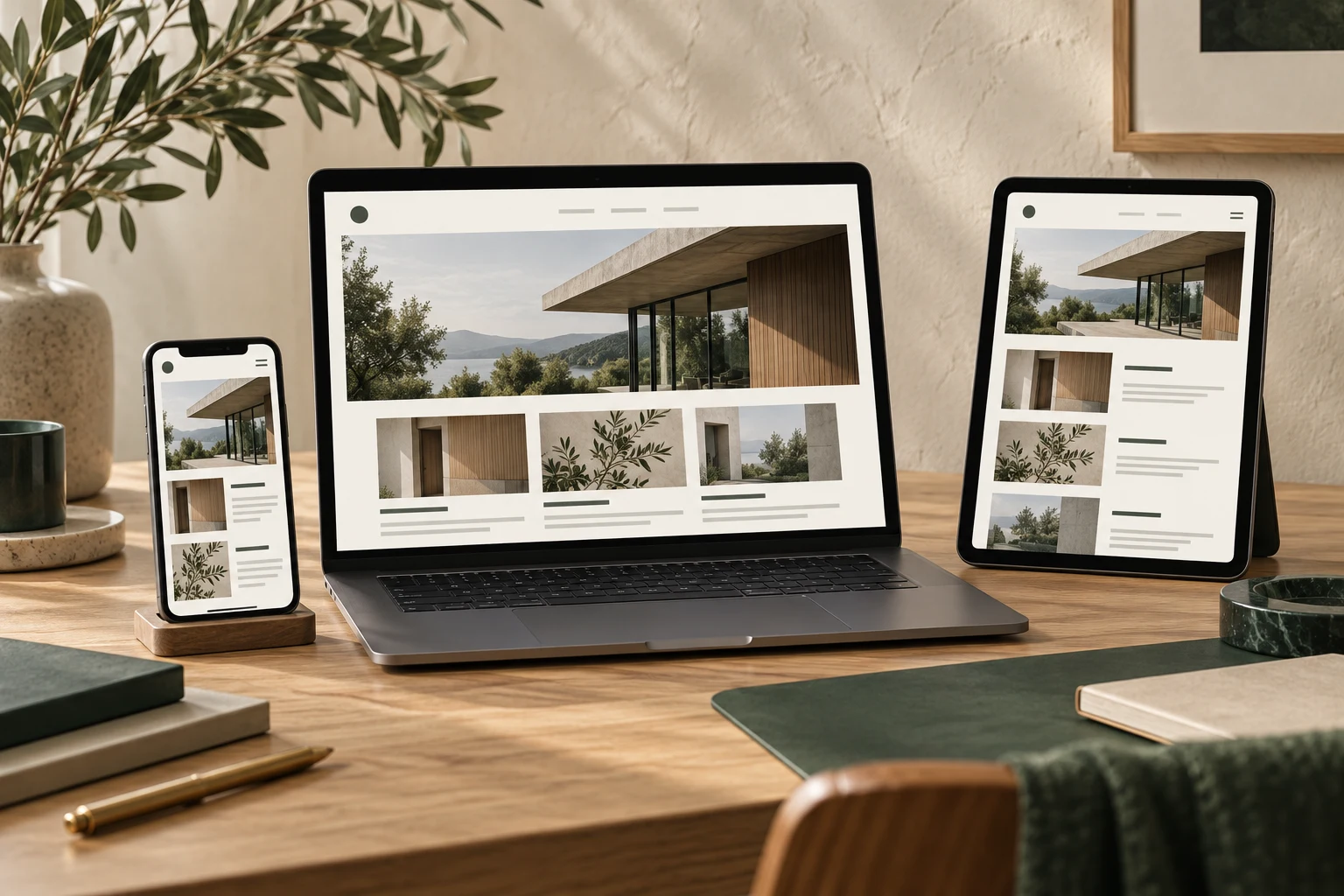
With users frequently accessing sites via phones and tablets, buttons must perform well across devices:
- Touch-Friendly: Ensure button size is at least 44×44 pixels with sufficient touch area.
- Gesture Conflicts: Check that buttons are not obstructed by page scrolling or other gestures.
- Browser Compatibility: Test button behavior on major browsers like Chrome, Safari, and Edge, as well as different OS versions.
Use online tools for multi-device preview or spot-check with real devices. Address compatibility issues using conditional styles or polyfills.
5. Error and Exception Handling
Button behavior under abnormal conditions is equally important:
- Network Disconnection: Provide clear feedback when a button is clicked without network connectivity, rather than remaining unresponsive.
- Duplicate Clicks: Implement anti-duplicate mechanisms for submit buttons to prevent multiple submissions.
- Error States: When form validation fails, keep the button clickable or show error messages instead of disabling it outright.
Simulate various abnormal environments during maintenance to ensure user experience does not break due to rare events.
6. Regular Maintenance Recommendations
Based on the above points, businesses should establish a button maintenance plan:
- Daily: Address button issues promptly when user feedback or error logs are observed.
- Monthly: Conduct full-site audits of button functionality, styles, and links.
- Quarterly: Align with overall site redesigns or feature updates to optimize button interaction logic.
Though small, buttons serve as bridges between users and business. Keeping buttons stable and user-friendly effectively reduces churn and improves conversion smoothness.
Conclusion
Post-launch button maintenance is not a one-time task but an ongoing optimization process. Businesses should establish a maintenance cadence suited to their site scale and user traffic. By following these checkpoints, you can systematically ensure button quality, making every user click accurate, smooth, and responsive.