Page Layout Directly Influences First Impressions
A corporate website serves as a window for users to learn about a brand and its services. When visitors land on the site, the page layout determines whether they can find the needed information within seconds. A cluttered layout confuses users and drives them away, while a clear, logical layout guides smooth navigation and improves retention.
Layout Affects Browsing Path and Information Efficiency
An effective layout considers users' reading habits, such as F-shaped or Z-shaped scanning patterns, placing core content in visual hotspots. Key elements like the navigation bar, brand logo, main product/service entries, and contact information should be positioned for effortless access. Additionally, content hierarchy—headings, body text, and buttons—must be clearly distinguished through font size, color, and white space to facilitate quick scanning.

Layout and Brand Trust Building
The professionalism of a corporate website directly impacts user trust. A tidy layout with consistent spacing and unified colors conveys attention to detail and credibility. Conversely, cramped arrangements, cluttered elements, or distorted images can create an unprofessional impression, potentially undermining the company's reliability.
Importance of Layout for Mobile Adaptation
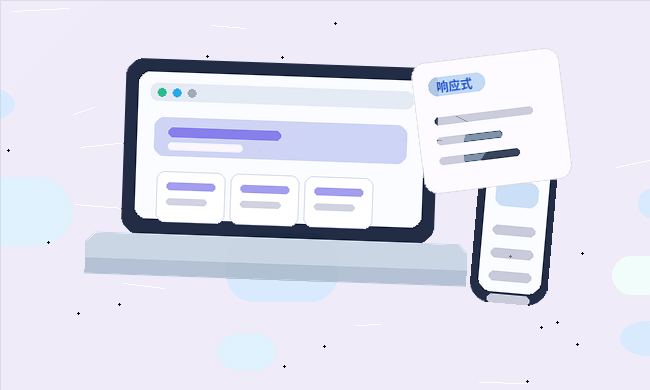
With the growing share of mobile traffic, page layout must incorporate responsive design. On smartphones or tablets, a desktop layout may become crowded or misaligned. A well-planned layout adjusts element sizes, arrangements, and interactions for different screen sizes, ensuring a seamless browsing experience across devices and preventing user loss due to poor adaptation.
How Layout Influences Conversion Goals
The ultimate purpose of page layout is to guide users toward desired actions, such as filling out forms, making calls, or requesting online consultations. The placement, color, and surrounding white space of call-to-action (CTA) buttons—like "Inquire Now" or "Get a Quote"—affect click-through rates. It's advisable to position CTAs naturally after users finish reading relevant content and use contrasting colors to highlight them. Moreover, form field count and arrangement matter; overly long or poorly organized forms reduce submission willingness.

Common Layout Issues and Optimization Tips
Many corporate websites share common layout problems: deep navigation hierarchies, information overload on the homepage, unclear core services, and hard-to-find contact details. Optimization can start with the following points:
- Simplify navigation: Keep primary navigation items under seven and limit dropdown menus to two levels.
- Highlight core business: Display the company's most competitive products or services above the fold on the homepage, with clear headings and buttons.
- Use white space wisely: Maintain adequate spacing between elements to avoid clutter and improve readability.
- Unify visual style: Ensure consistent color schemes, fonts, and button styles to reduce cognitive load.
- Prioritize contact information: Place phone numbers, live chat, or other contact options in a fixed position at the top or right side of the page.

Conclusion
Page layout plays a fundamental yet critical role in corporate websites. It not only affects first impressions and browsing efficiency but also influences brand trust and conversion rates. When building or redesigning a corporate website, layout planning should be a key focus, incorporating user behavior patterns and mobile trends to create a logical, aesthetically pleasing, and user-friendly structure. If current layout issues exist, gradual adjustments and data monitoring can help continuously optimize the user experience.