


Small and medium-sized enterprises (SMEs) often choose single-page templates for quick launch and cost savings. However, despite their simplicity, single-page structures come with key considerations that should not be overlooked. This article offers practical insights to help businesses plan and optimize their single-page templates effectively.
1. Define the Right Use Cases for a Single-Page Template
Single-page websites are ideal for businesses with a focused offering and limited information, such as product showcases, campaign promotions, personal studios, or service introduction pages. If your business has numerous product categories, multiple levels of content, or complex information, a single-page layout may make it difficult for users to find what they need. Before choosing a single-page template, assess whether your business fits the "one-page-to-the-bottom" structure.

2. Streamline Content to Avoid Information Overload
With limited space on a single page, content must be concise. We recommend including core modules such as company introduction, key products or services, value propositions, case studies, and contact information. Avoid cramming in all details, as this can dilute key messages. Present each module with short headings and paragraphs, complemented by images or icons, to help users quickly grasp essential information.
3. Ensure Clear Navigation with Anchor Links
Even though a single-page site has only one page, users still need to quickly navigate to different sections. Place a fixed navigation bar at the top with anchor links that jump to corresponding modules. Keep navigation items to no more than 5–6 to avoid clutter. Ensure smooth anchor transitions without lag or offset issues.
4. Mobile Responsiveness Is a Must
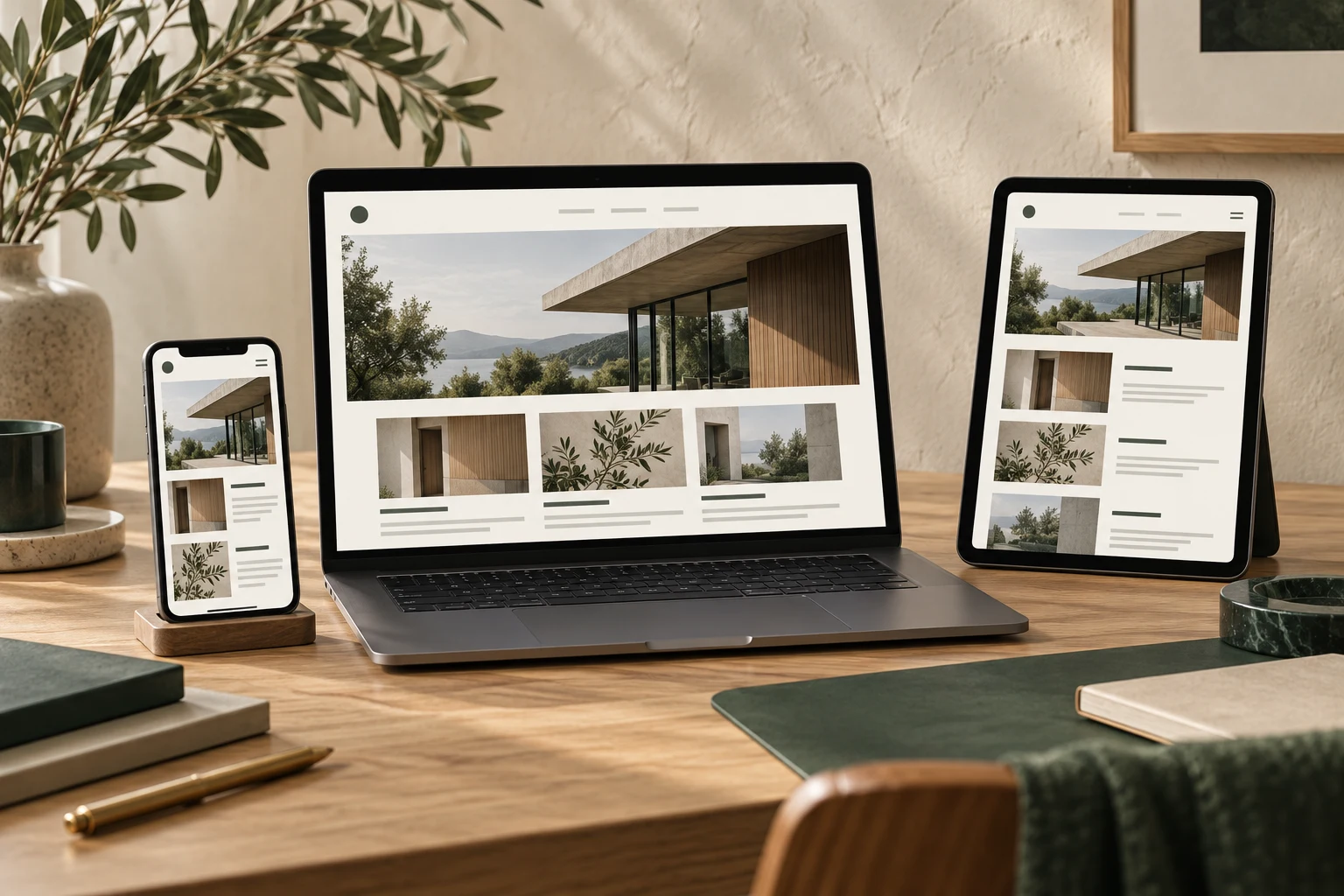
With most users accessing websites via mobile devices, your single-page template must be responsive. Ensure images, text, and buttons are clear and easy to tap on phones. Simplify or collapse the navigation bar on mobile. Test the display across different screen sizes to maintain a consistent user experience.

5. Don't Overlook Basic SEO Optimization
Single-page sites also need SEO optimization. Use H2 and H3 tags appropriately for each module (but avoid overuse), write a compelling page title and meta description, and add ALT attributes to images. Since single pages have limited content, aim for at least 800 words of original text, naturally incorporating business-related keywords without keyword stuffing. If your site has multiple modules, consider using "Learn More" buttons to guide users to other pages (if available).
6. Avoid Common Design Pitfalls
- Excessive animations: Large carousels or too many pop-up animations can slow down loading speed, harming user experience and search engine crawling.
- Hidden contact info: Many single-page sites place phone numbers and WeChat at the bottom, requiring users to scroll all the way down. Place contact details above the fold or in a fixed position.
- Generic stock images: Using template-provided images reduces brand recognition. Opt for real business photos or custom-designed graphics.
7. Pre-Launch Checklist
- Check that all links (including anchors and external links) work correctly.
- Test display on different browsers and mobile devices.
- Ensure page load time is under 3 seconds (use online tools to verify).
- Confirm that contact forms or live chat functions submit properly.

With proper planning, SMEs can quickly establish an online presence using a single-page template. However, keep in mind that single-page sites are not a one-size-fits-all solution. As your business grows, consider upgrading to a multi-page website for better content display and SEO. Thorough preparation and attention to detail during creation will help your single-page site deliver its intended value.