Why Article Content and Service Descriptions Need to Work Together
Corporate websites typically include two core sections: service descriptions (e.g., product introductions, service processes, pricing plans) and article content (e.g., industry knowledge, customer cases, how-to guides). Many websites treat these as separate entities, leaving users with questions after reading service descriptions or unsure how to access services after reading articles. A well-integrated website allows articles to naturally guide users to understand services, while service descriptions leverage articles to enrich information, thereby boosting user trust and decision-making efficiency.
Five Key Directions for Integration
1. Consistent Content Direction: Articles Focus on Services
Article topics should closely relate to the services offered. For example, if a website provides website building services, it can publish articles like "How to Plan Your Corporate Website Sections" or "How to Test Your Website Before Launch." These pieces address user questions while indirectly showcasing service expertise. Avoid publishing unrelated entertainment or social topics, as they distract users.
2. Linked Page Structure: Articles Naturally Reference Service Descriptions
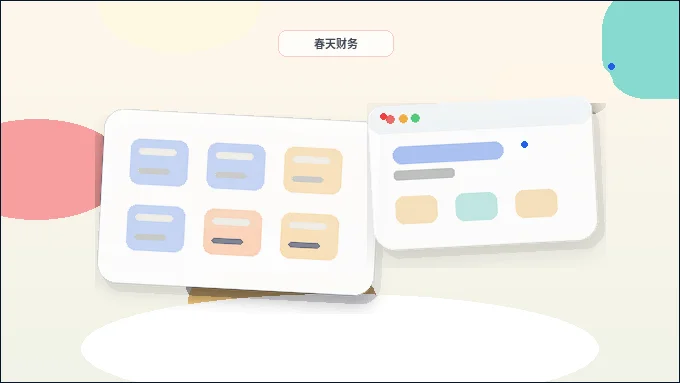
In article text, when encountering concepts or processes related to services, naturally reference the service description pages. For instance, when writing about "Website Redesign Process," add a line like "For specific redesign plans, refer to our website redesign service description." Keep references brief and non-promotional, letting users click as needed. Additionally, at the bottom of service description pages, link to relevant articles to help users dive deeper.
3. Unified SEO Keywords: Avoid Content and Service Competition
Articles and service pages may target similar search terms. It's advisable to plan keywords strategically: let articles focus on "knowledge-based" queries, while service pages target "purchase-oriented" queries. For example, the keyword "website redesign cost" can be handled by an article explaining cost factors, while "website redesign service pricing" goes on the service page. This covers more long-tail keywords and avoids internal competition.
4. Consistent Update Rhythm: Maintain Synchronization
When services change (e.g., new offerings, process optimizations, price adjustments), update related articles promptly. Conversely, new needs or questions from articles can be fed back to the service team to refine descriptions. Regularly check for inconsistencies, such as service names or processes mentioned in articles not matching those on service pages.
5. User Path Guidance: Natural Transition from Articles to Services
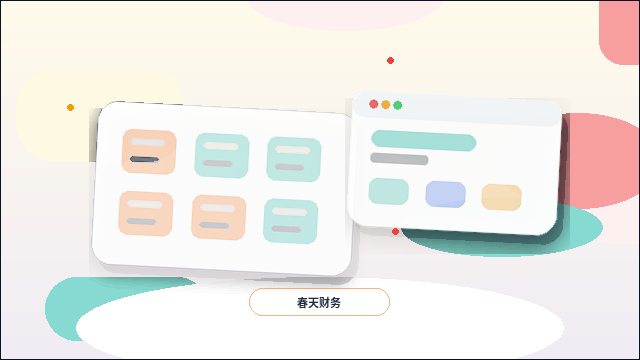
At the end of an article or in a sidebar, include a "Related Services" section recommending 1-2 most relevant services. Avoid listing all services or using aggressive marketing language. For example: "If you're planning your corporate website, explore our website building service." Guidance should stem from user needs likely arising after reading the article, not forced sales.
Common Issues and Recommendations
- Article content is too generic, failing to reflect service expertise. Incorporate actual service processes, tools, or cases in articles, but protect client privacy by avoiding real names or data.
- Service pages contain outdated info while articles mention new services. Establish a regular review mechanism, checking content consistency at least quarterly.
- Excessive references to services in articles disrupt reading flow. Limit references to 2-3 natural mentions per article, avoiding links in every paragraph.
- Duplicate SEO titles between articles and service pages confuse search engines. Assign different core keywords: articles focus on "how," "what," "why" question words, while service pages use commercial terms like "service," "pricing," "case."
Conclusion
The core of aligning article content with service descriptions is to guide users naturally from "understanding the problem" to "understanding the solution." Through consistent content direction, linked page structure, unified keyword planning, synchronized update rhythm, and reasonable user guidance, websites can deliver a more cohesive experience. Start by selecting 3-5 articles most relevant to your services, optimize them, and gradually build an integrated system.