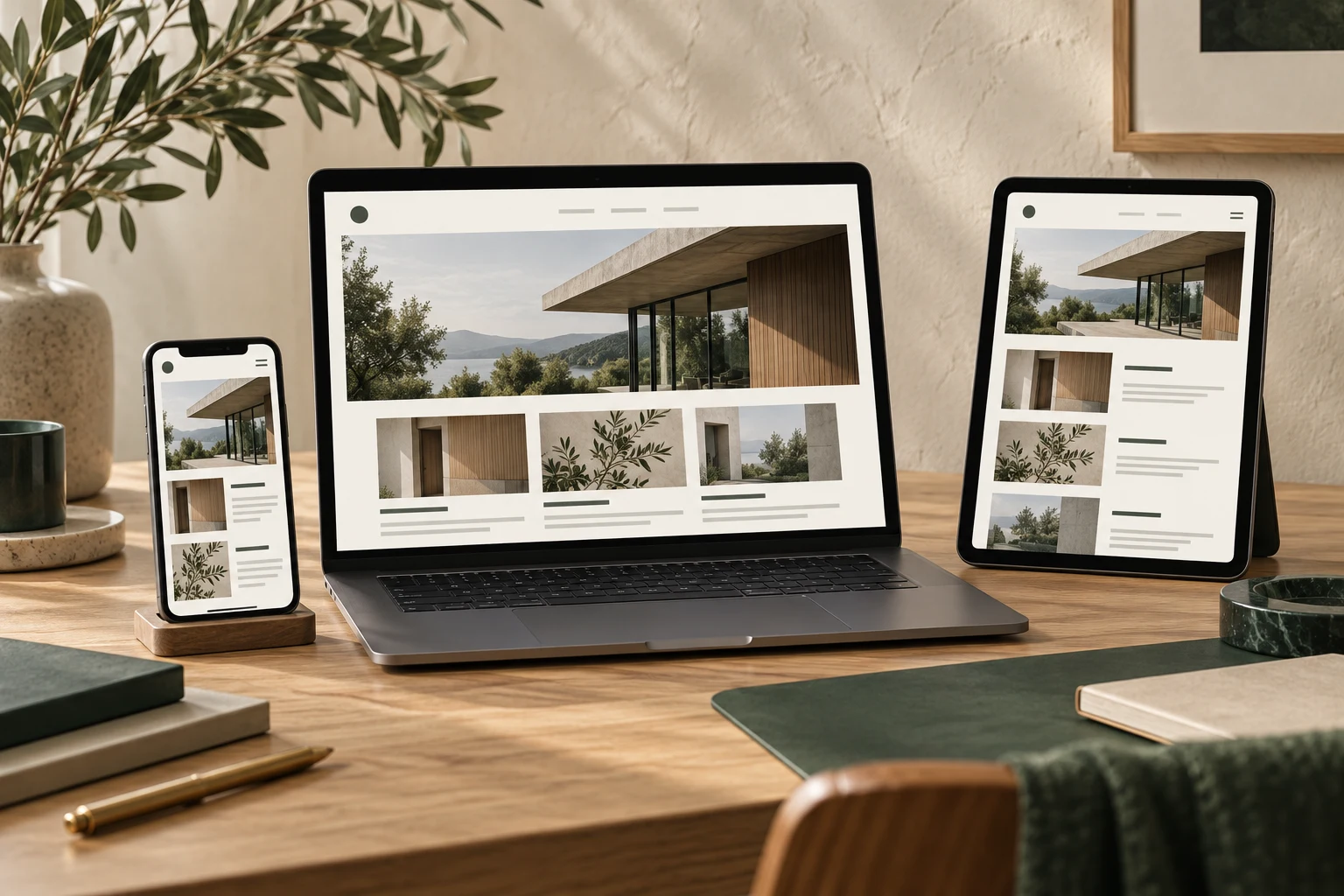



When updating a website template, many businesses face a common issue: after the new template goes live, does the existing business content, column structure, and information logic need to be adjusted? The answer is yes. A template change is not just a "new coat of paint"; it is a transformation of the overall presentation of the site. Simply applying a new style without reorganizing business content can lead to navigation confusion, duplicate or missing information, and unclear core offerings, directly impacting user understanding and trust. Therefore, systematically aligning business content before and after the template update is essential to make the redesign truly enhance the website's effectiveness.
1. Why Template Updates Must Align with Business Content
A website template determines page layout, color scheme, navigation structure, and information hierarchy, while business content is the core value of the site. If the two are mismatched, common problems include:
- Navigation Misalignment: The new template's navigation structure may not support the original column hierarchy, making some pages hard to find.
- Content Duplication or Omission: The template adds or removes certain sections, but business content is not adjusted accordingly.
- Visual Inconsistency: Image sizes and text styles do not match the new template, giving a "patched-together" appearance.
- Decreased User Experience: Users are accustomed to the old information layout; if the change is too drastic, it may cause confusion.
Thus, aligning business content is not optional but a step that must be planned in advance.

2. Audit Existing Business Content and Column Structure
Before finalizing a new template, conduct a comprehensive inventory of your current website content:
- List all core columns (e.g., Products, Services, Case Studies, About Us) and their subpages.
- Mark which content is long-lasting (e.g., company profile, core products) and which needs updating (e.g., news, team introductions).
- Assess importance: which pages are most visited by users, and which are key conversion pages.
This list serves as the foundation for subsequent alignment work. Additionally, review recent user inquiries or backend data to understand which content is most valued, and give it a more prominent position in the template.
3. Adjust Content Structure Based on Template Features
Each template has its own page layout and module design—some emphasize large homepage carousels, while others focus on card-style product displays. Adjust your content accordingly:
- Homepage Modules: If the template has a "Service Features" section, place your most differentiated core content there; if it has a "Case Studies" carousel, select a few representative examples.
- Navigation Bar: Note the template's navigation depth limit (e.g., two or three levels). If your original columns exceed this, merge or reclassify them. Keep navigation items to 5–7 for easy user access.
- Inner Page Templates: Ensure layouts like full-width, sidebar, or article lists match your content. For example, long articles suit full-width layouts, while multi-category products benefit from a sidebar.

When adjusting, preserve the original business logic as much as possible; avoid changing familiar naming conventions just to fit the template.
4. Content Review and Rewriting
A new template may bring a different text style or information display method, so review your content:
- Text Updates: Check if company introductions, contact details, certifications, etc., are outdated and update them promptly.
- Image Optimization: Ensure image sizes, resolutions, and styles are consistent with the new template to avoid stretching or pixelation.
- SEO Elements: After a template change, URL structures may shift; set up 301 redirects and update the sitemap. Also, check that each page's title tag and description are optimized for the new layout.
Note: Avoid changing too much content at once to prevent indexing issues. Complete content adjustments before the template goes live, and preview them in a test environment.
5. Launch Process and Checklist
Once content and template are ready, follow these steps for launch:

- Set Up Local or Test Environment: Install the new template on a test site, import adjusted content, and preview thoroughly.
- Functional Testing: Check navigation links, form submissions, search functionality, and responsive display.
- Content Verification: Compare against your inventory list to ensure all core pages are migrated with correct content.
- Backup: Before going live, back up old data and template files for rollback if needed.
- Switch Over: Change the template during low-traffic hours and clear the cache.
- Monitor: After launch, watch for 404 errors, user feedback, and backend data, and optimize continuously.
6. Common Precautions
- Don't force all old content to remain; delete or merge as necessary.
- Avoid leaving many incomplete blank pages in the template.
- If the template involves third-party plugins (e.g., live chat, analytics code), reconfigure them.
- After the template update, manually review key pages (e.g., homepage, services page, about us) to ensure visuals and information meet expectations.
In summary, aligning business content when updating a website template is about "building on business logic and guiding by user experience." Only when both are in harmony can the redesign truly add value to your corporate website.