


The consultation button is one of the most common interactive elements on business websites, but many operators underestimate its impact on overall site performance. In reality, a seemingly simple button can determine whether a user leaves contact information or closes the page. This article examines how the consultation button affects website operations from the perspectives of user behavior, visual design, and response mechanisms, and provides optimization insights.
How the Consultation Button Influences User Decision Paths
When users visit a business website, they typically have clear needs or potential interests. The consultation button often serves as the trigger for them to move from browsing to action. If the button is not prominent, poorly positioned, or slow to load, users may leave because they cannot find the entry point or lose patience due to long wait times. For example, placing the consultation button at the bottom of a long page forces users to scroll multiple times to see it, increasing bounce rates. In contrast, a floating or fixed-position button reminds users to take action at any time, shortening the decision path.

Visual Design Affects Trust and Click Willingness
The button's style, color, text, and size all influence user perception. A color that is too harsh or inconsistent with the page style may reduce trust; vague text like "Click Here" is less effective than clear calls to action such as "Consult Now" or "Get a Solution." A button that is too small or has low contrast with the background can be easily overlooked. It is recommended to design the button to align with brand identity while ensuring high visibility. Typically, using a contrasting color relative to the main palette, paired with concise and compelling action text, can boost click-through rates.
Response Speed and Communication Quality Determine Conversion Outcomes
After clicking the consultation button, users expect timely, one-on-one feedback. If clicking leads to a form requiring extensive information or redirects to another page, it may disrupt the user's flow. A more ideal approach is to open an instant chat window or online customer service, allowing users to ask questions quickly. Additionally, customer service response speed is critical: wait times exceeding 30 seconds significantly reduce user satisfaction. Therefore, businesses must ensure the consultation channel is staffed or equipped with automated replies to prevent user loss due to no response.

Mobile Adaptation Cannot Be Overlooked
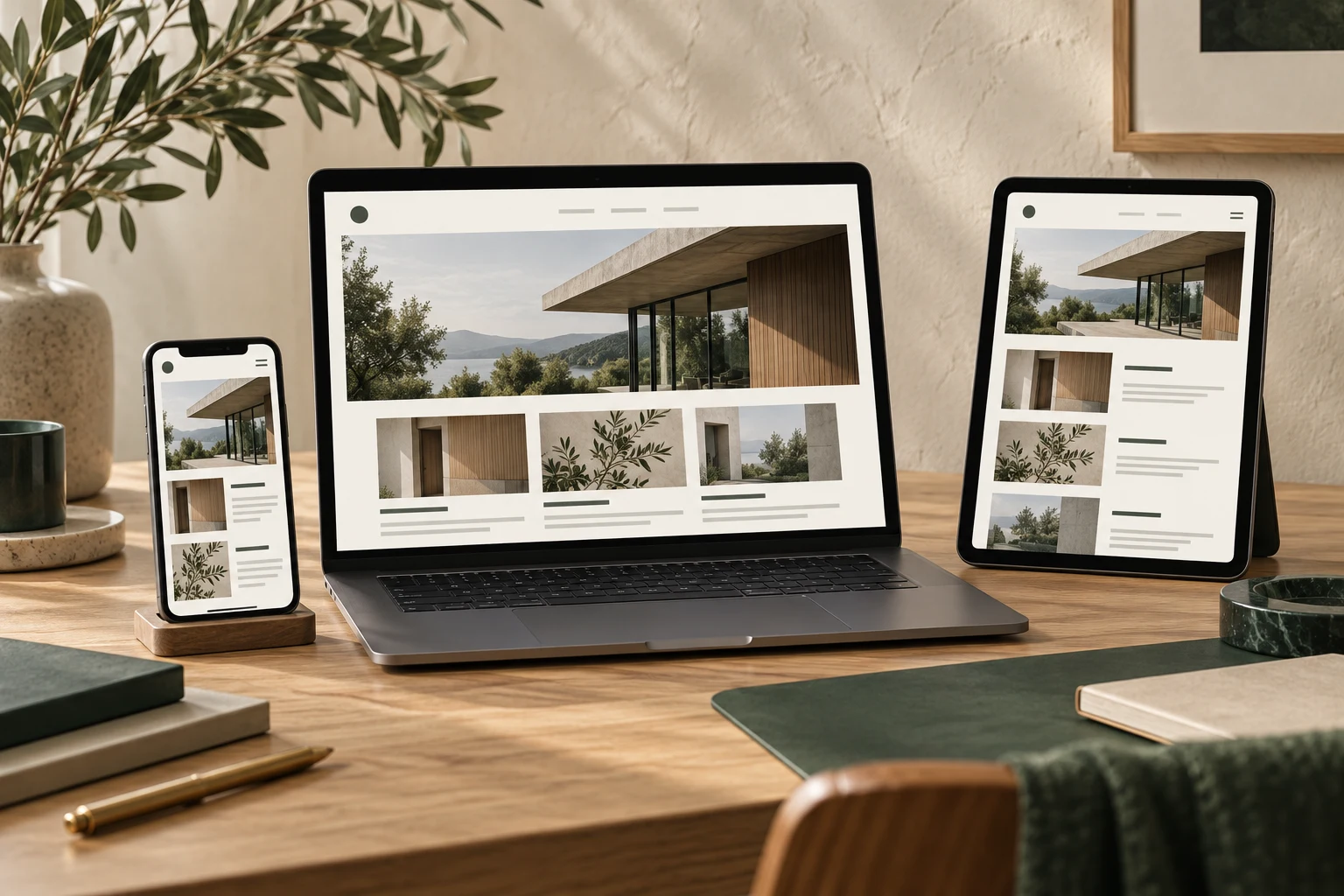
Today, many users browse websites on mobile devices, and the consultation button's performance on mobile directly affects user experience. Is the button easy to tap with a finger? Does it block content? Does it load properly after clicking? These are common issues. Mobile consultation buttons should avoid being too small, and it is often better to prioritize native functions like WeChat or phone calls to reduce page redirects. It is advisable to test the button's performance across different screen sizes on mobile to ensure smooth operation.
Data Analysis: Evaluating the True Impact of the Consultation Button
Optimizing the consultation button should not rely solely on intuition; data support is essential. Heatmap analysis of user click behavior can reveal whether the button is noticed; conversion funnels can track steps from click to consultation completion to identify drop-off points. It is recommended to regularly compare the performance of different button styles, positions, and copy through A/B testing to determine the optimal solution. Note that data should be combined with user feedback for a comprehensive assessment, avoiding a sole focus on click-through rates at the expense of consultation quality.

Summary and Optimization Suggestions
Although the consultation button is small, it is a critical node in website operations. Optimization should start from the user's perspective, focusing on visibility, usability, and response efficiency. Specific suggestions include: fixing the button in a visible area of the page; using clear and compelling copy; ensuring mobile adaptation; configuring an instant response mechanism; and continuously iterating based on data analysis. Only by enabling users to easily find and complete consultations can a website achieve its true operational goals.